
1720
Grosvenor Square is commissioned by Sir Richard Grosvenor for the estate and residents of the Square. It is created by Grosvenor’s Estate Surveyor, Thomas Barlow.

Grosvenor Square is commissioned by Sir Richard Grosvenor for the estate and residents of the Square. It is created by Grosvenor’s Estate Surveyor, Thomas Barlow.

Grosvenor Square quickly became the place to see and be seen. John Alston created his ‘wilderness worke’ featuring a densely wooded mound, shrubs, and flowers with a statue of George I in the centre.
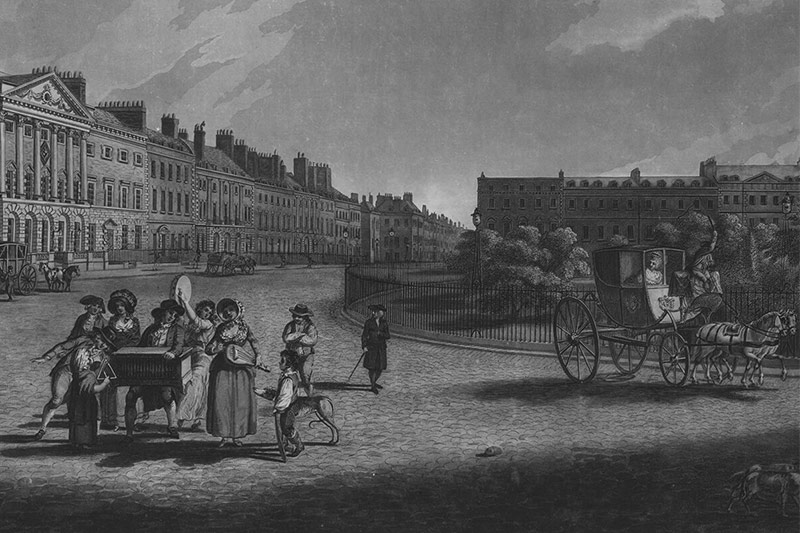
Architect George Richardson tames the wilderness. The new design divides the gardens into quarters and plants some of the first formal shrubberies in London.

John Adams, the first U.S. Minister to the Court of St. James’s (and future US President), lives in the Square.
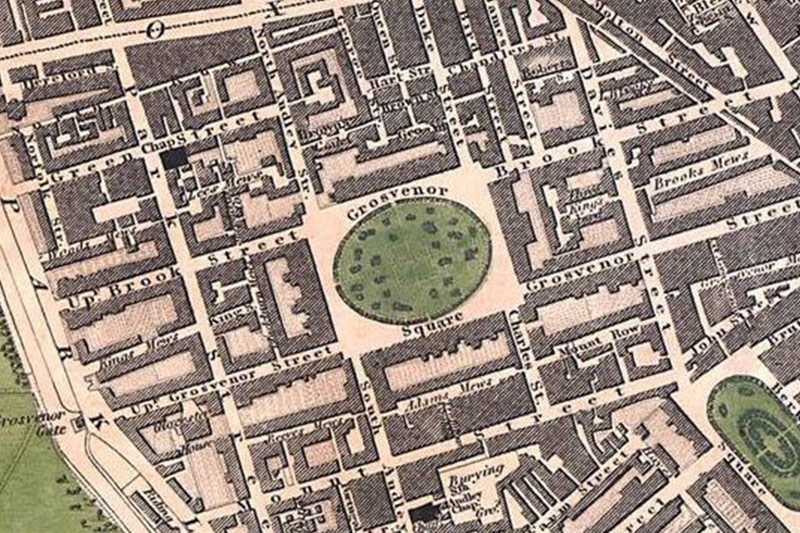
The Square’s layout is simplified by removing intersecting paths and replacing them with lawns.
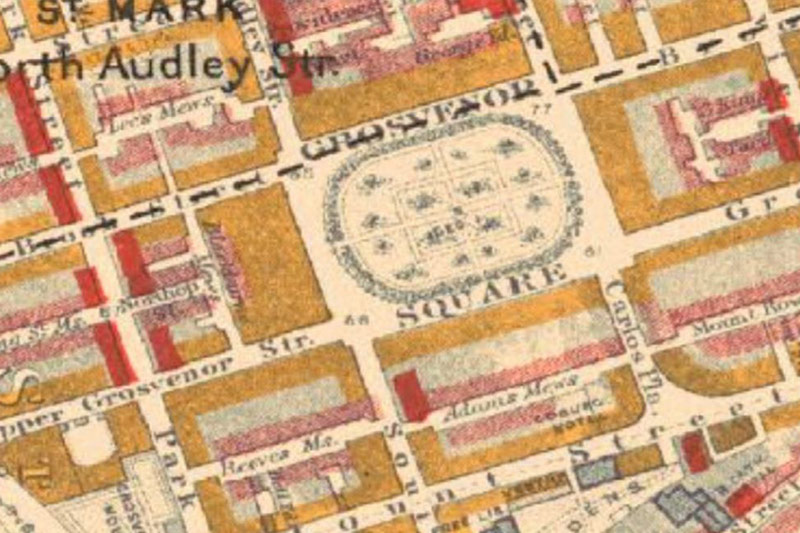
There are some significant changes to character of the Square. The gilt statue of George I is removed and replaced by a gazebo and the original Elm trees are felled and replaced by London planes. The plane trees in the Square today are further replacements, and were planted as part of the refurbishment after WWII.
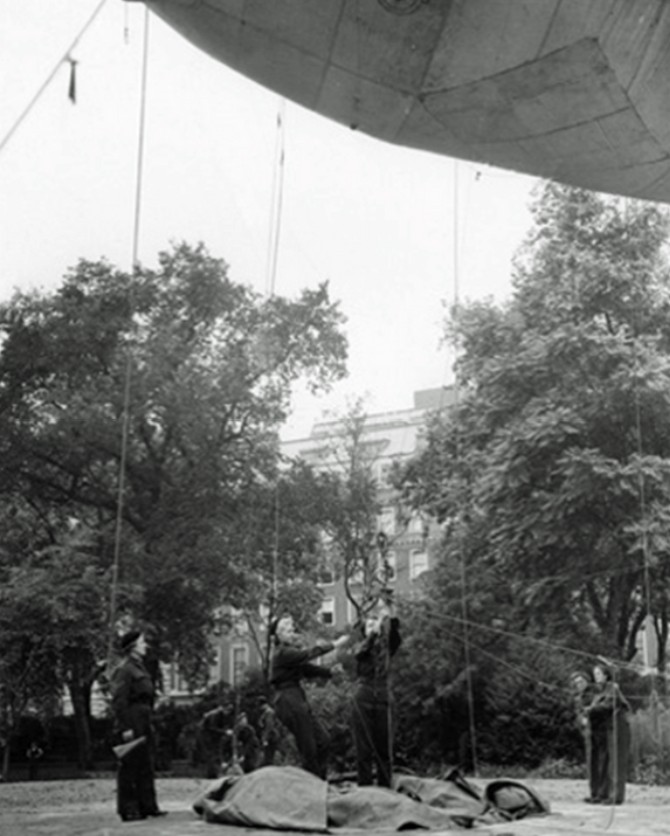
The Square is disfigured by numerous air raid protection measures during WWII.

The Roosevelt Memorial Act is passed, and the gardens become public – open for the enjoyment of all.
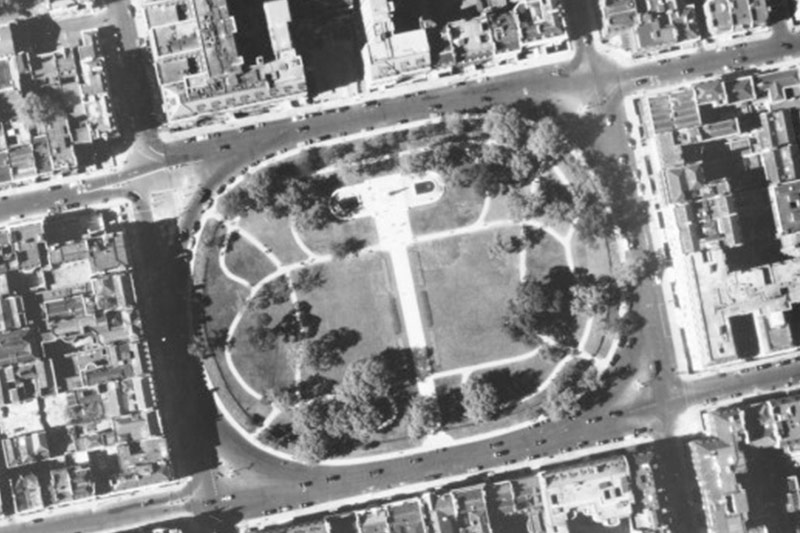
The layout of the Square is radically altered by architect B.W.L. Gallannaugh, including the removal of over 60 trees and a new system of meandering paths around the perimeter.
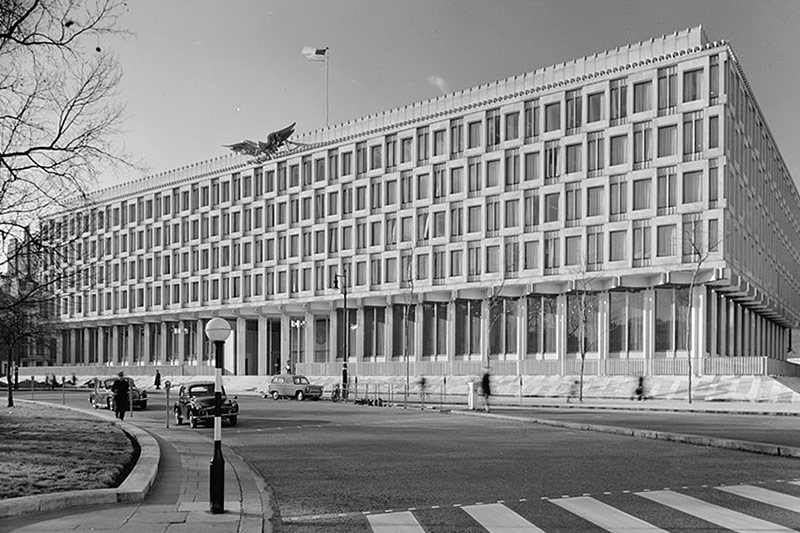
24 Grosvenor Square, the former home for the American Embassy, is completed. Designed by Eero Saarinen, the building is now listed.
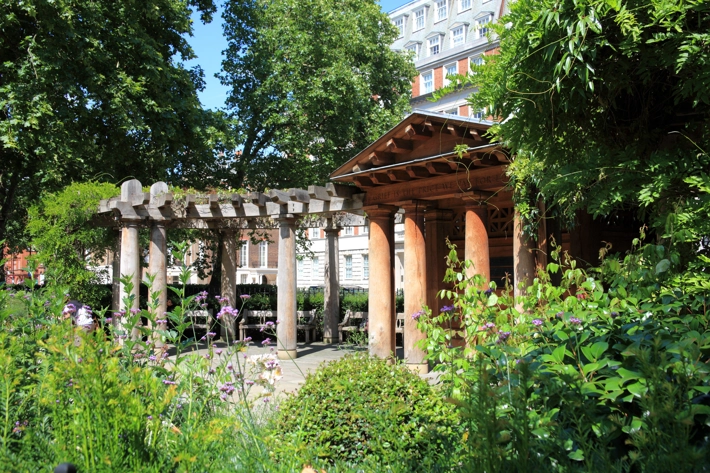
Opening of the September 11 Memorial Garden to commemorate the 67 Britons who lost their lives in the attack on America.
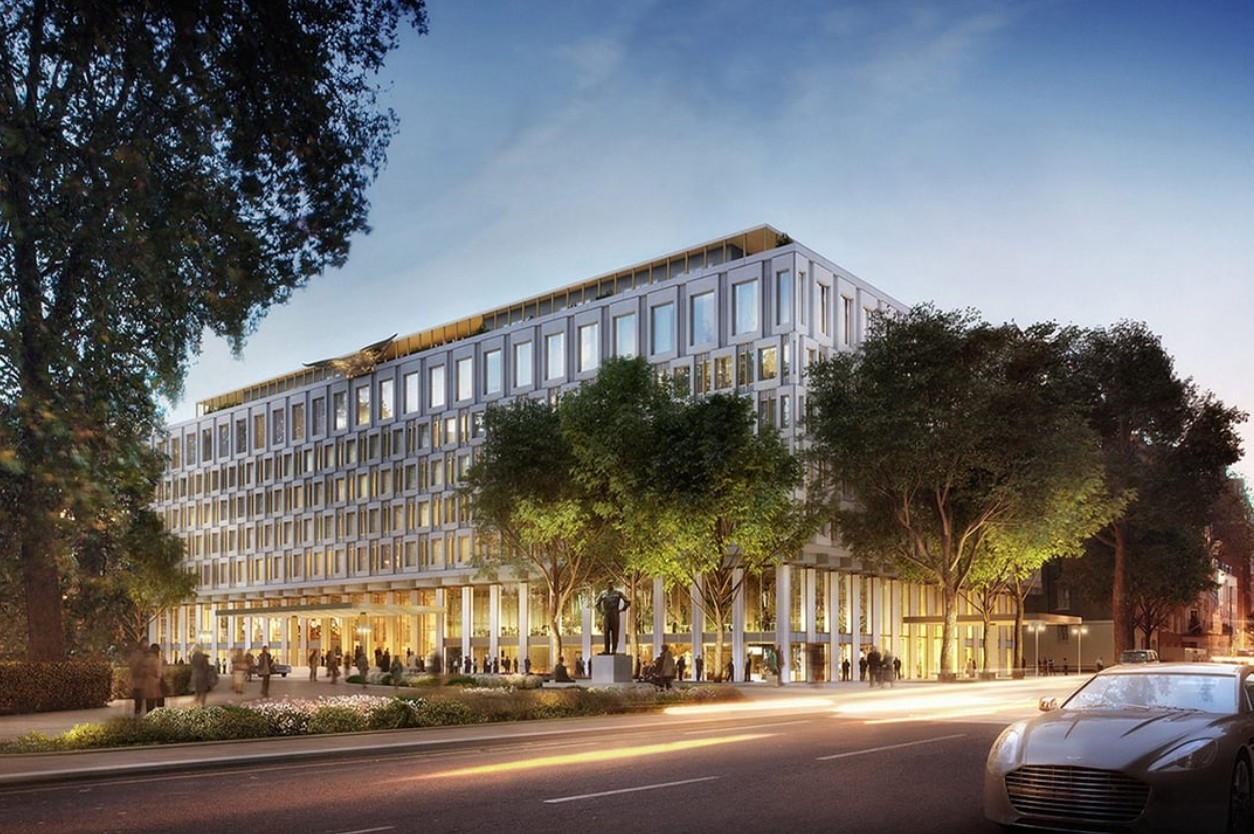
The American Embassy vacates the Square. The redevelopment of the building will create, for the first time, an active frontage on Grosvenor Square.
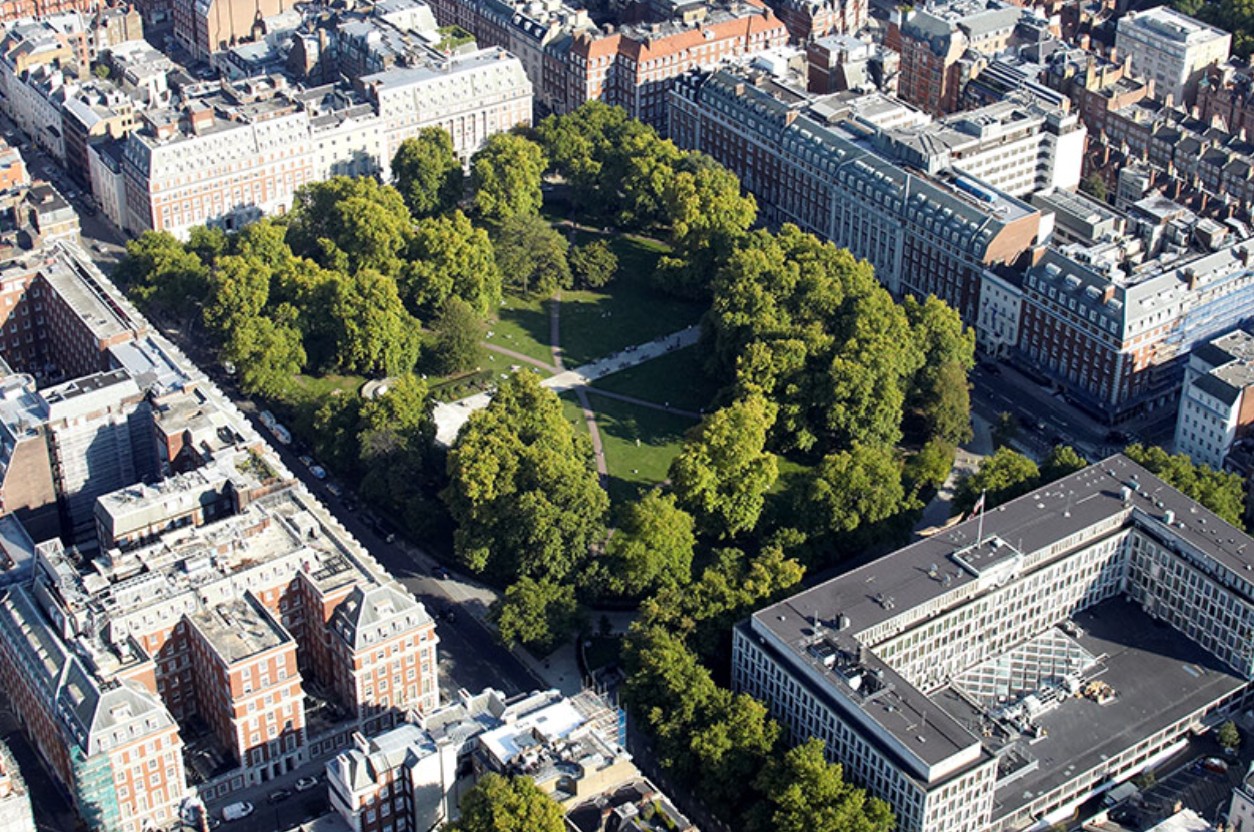
The management of the Square is returned to Grosvenor.
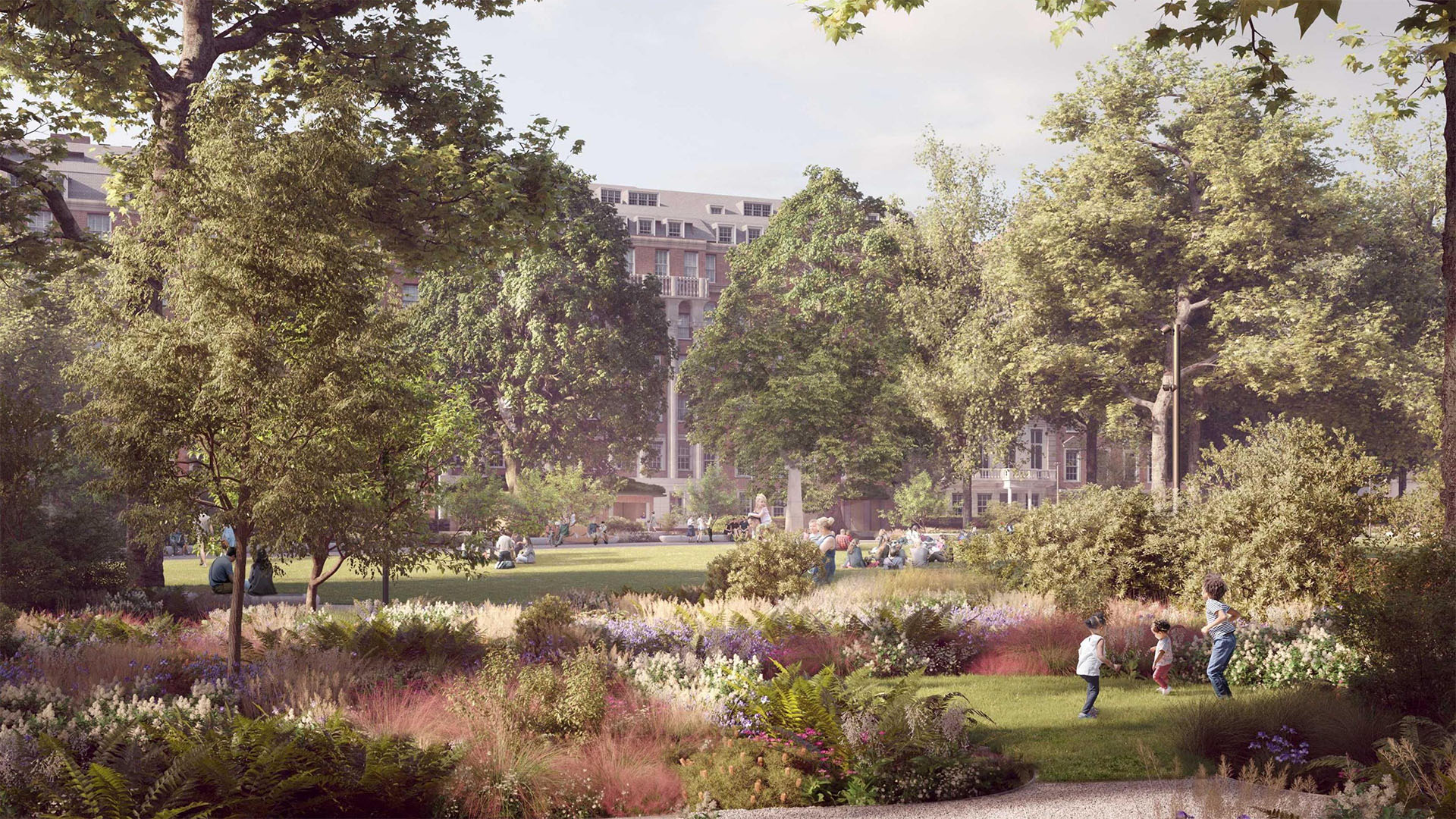
Over 7,000 people feed into the designs for the reimagined square. The final design incorporates 150,000 new plants and bulbs, 44 new trees and an education centre. Works begin to transform the Square in 2025.
